




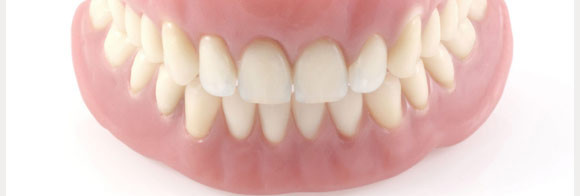


In order to have healthy gums and teeth, it requires a lifetime commitment. This article can help you avoid infection of the gum which is known as periodontal disease.
As everyone knows you need to brush your teeth everyday. The brushing should be done twice a day within the first hour of having food or sweet acidic drinks. Flushing the food debris around the teeth by swishing a mouthful of mouthwash or water would help when it is added to regular brushing and flossing. It is also recommended to floss your teeth once a day between all the teeth not forgetting the back of last molars.
Importance of Frequent Check Ups
Always make sure you maintain your regular dental check up at least every 6 months. Some may require more cleaning up to 3-4 times a year. Ask your dentist and he/she will let you know what frequency works best for you. If there is a diagnosis of gum disease, it is easier to treat the disease in early stages. Make sure your dentist fixes all the broken teeth and fills all the cavities. Small cavities are much easier and cheaper to fix. When you don’t fix a small cavity, it tends to become larger in size over time making it more difficult and expensive to fix. Cavities do not go away on their own. They have to be removed by your dentist and be filled with a filling material such as composite which is tooth color and can not be seen by most people.
 Smokers! Be Aware!
People who smoke or use smokeless tobacco have much greater chance of getting oral cancer. Stopping tobacco use would help in reducing bad breath as well as keeping teeth stain free. But most importantly it could save your life. Your dentist will evaluate for oral cancer screaming every time you go for check up.
Signs of Dental Problems:
There are few signs that warn us about dental problems. For example, if after brushing you still have bad breath it could be a sign of periodontal disease or presence of cavity. If your gums are puffy or bleed on their own, or at the time of brushing, it is an indication of gum disease. If the teeth are getting longer, it is a sign of bone loss. If these signs are ignored, teeth may get loose, and eventually teeth loss may result. Many of these problems can be minimized if proper dental treatment and oral hygiene can be maintained.
Healthy gums and teeth are essential for happy healthy life. Teeth and gums do not take care of themselves; it takes a team work between you and your dentist to maintain proper health.

 Brush
Brush 
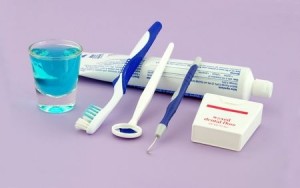 Use a short stroke and a gentle scrubbing motion, as if the goal were to massage the gum. Don’t’ try to force the bristles under the gum line; that will happen naturally, especially with a brush that has soft, flexible bristles.
 Pull the floss taut and use a gentle sawing motion to insert it between the two teeth. During dental flossing, when the floss reaches the tip of the triangular gum flap, curve the floss into a C shape against one of the teeth. Then slide the floss gently into the space between the tooth and the gum until you feel resistance. Holding the floss tightly against the tooth, scrape up and down five or six times along the side of the tooth. Without removing the floss, curve it around the adjacent tooth and scrape that one too. Repeat on the rest of your teeth. Don’t forget the far sides of your back teeth. When the floss becomes frayed or soiled, a turn of each middle finger brings out a fresh section of floss. After dental flossing rinse vigorously with water.