




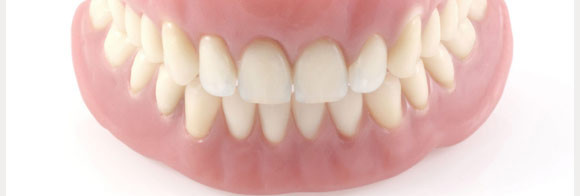


Teeth Brushing Tips
Teeth brushing is such a daily habit, few people think twice about it. You’ve been doing your your teeth brushing your whole life, but are you getting the most from your efforts? The following technique will help you get the most thorough clean. But as with any habit, you can get sloppy, and that can lead to cavities and gum disease.
How to Master Your Teeth Brushing:
Begin your teeth brushing by placing the head of the brush beside your teeth, with the bristles at a 45 degree angle against the gum line (where the teeth and gums meet). Think of the brush as a both a toothbrush and a gum brush. With the bristles contacting both tooth and gum, move the brush back and forth several times across each tooth individually.
 Use a short stroke and a gentle scrubbing motion, as if the goal were to massage the gum. Don’t’ try to force the bristles under the gum line; that will happen naturally, especially with a brush that has soft, flexible bristles.
While doing your teeth brushing, start with the outer surfaces of the upper and lower teeth. Then use the same short back-and-forth strokes on the inside surfaces. Try to concentrate harder on the inside surfaces; studies show they’re more often neglected. For the upper and lower front teeth, brush the inside surfaces by using the brush vertically and making several gentle up-and –down strokes over the teeth and gums.
Finish up by lightly scrubbing the chewing surfaces of the upper and lower teeth. While doing your teeth brushing, you should also brush your tongue for a fresher breath. If you have any questions regarding this or any other aspect of your dental care, please feel free to call upon any member of our dental team. We are dedicated to providing you with the finest in dental care. Please let us know how we can help.
What Tooth Brush to Use:
Hard bristles were once recommended but are now thought to be too abrasive to the teeth and gums. We now suggest a soft, rounded-end nylon bristle brush. Be sure to discard brushes when the bristles are bend or frayed or approximately every three to four months.
 Pull the floss taut and use a gentle sawing motion to insert it between the two teeth. During dental flossing, when the floss reaches the tip of the triangular gum flap, curve the floss into a C shape against one of the teeth. Then slide the floss gently into the space between the tooth and the gum until you feel resistance. Holding the floss tightly against the tooth, scrape up and down five or six times along the side of the tooth. Without removing the floss, curve it around the adjacent tooth and scrape that one too. Repeat on the rest of your teeth. Don’t forget the far sides of your back teeth. When the floss becomes frayed or soiled, a turn of each middle finger brings out a fresh section of floss. After dental flossing rinse vigorously with water.
 All too often we here at West LA Dental care find ourselves treating patients who don’t fully comprehend how integral a part of overall care their oral healthcare really is. If you had a broken wrist or a strange, irritating rash or had suffered from days of nausea, you wouldn’t shrug and hope those afflictions just got better on their own, would you? Of course not! Leaving a wound or skin condition or internal issue untreated only makes it get worse.